2025 · Harvard · Advised by Prof. Yoel Fink
E-Textile · Edge AI · Physical Computing
Sensing Technology
Role: System Design, Textile Fabrication, Circuit Design, Neural Network Training, System Integration
A woven pressure-sensing textile with 85.7% real-time posture classification at ~1 ms on-device inference.
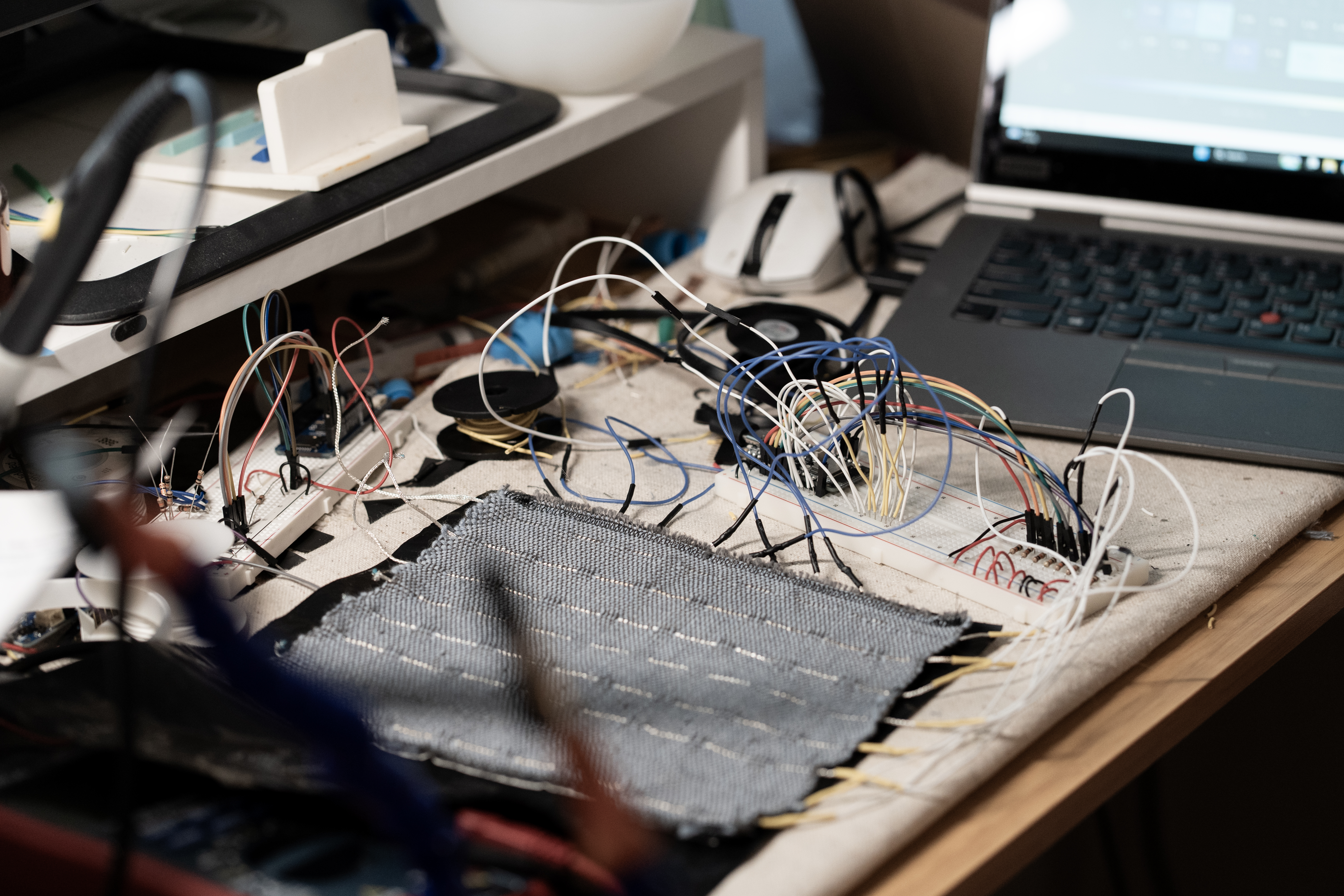
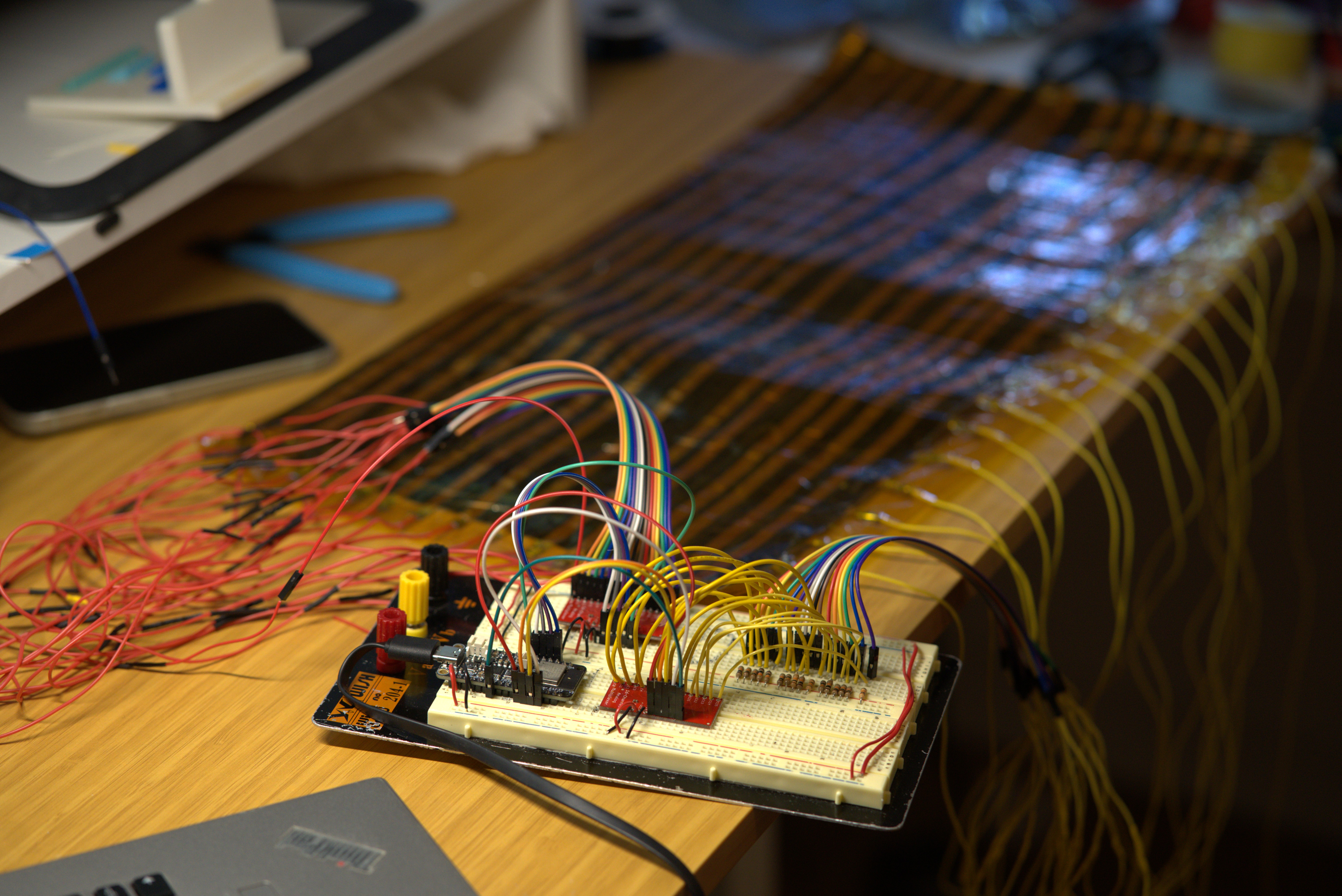
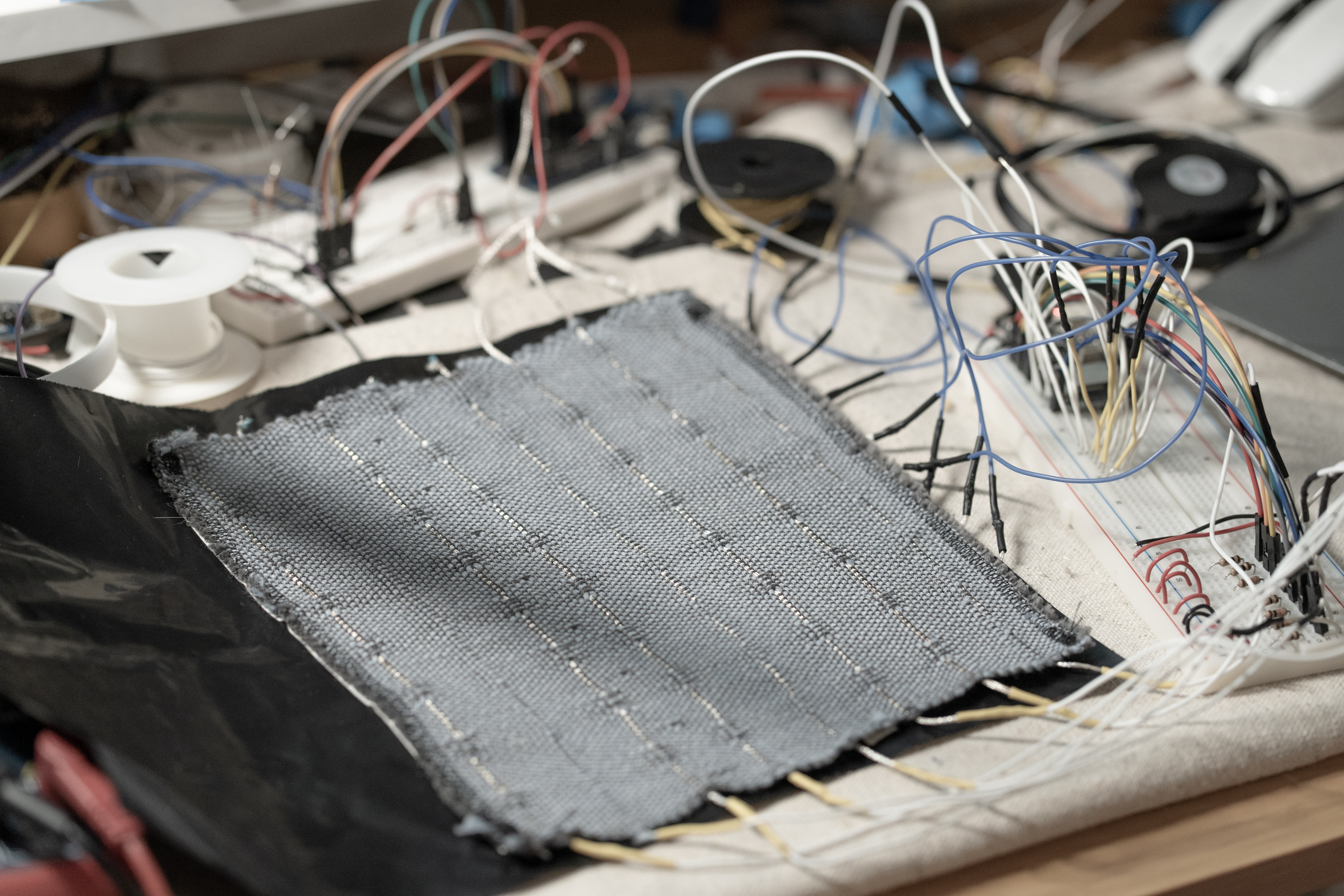
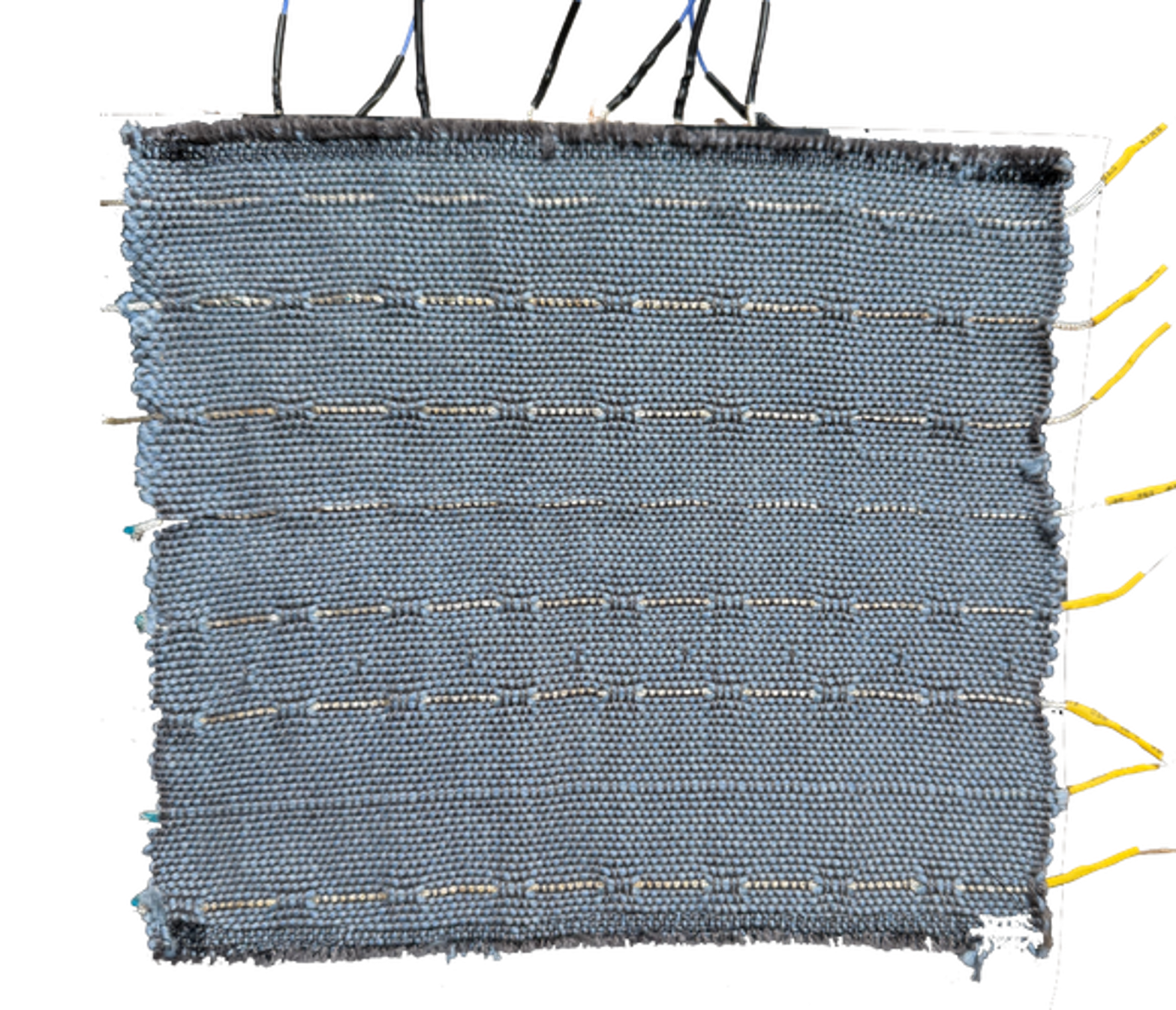
Tactiq is a high-resolution pressure-sensing textile platform developed for multiple applications, including healthcare, interactive technologies, robotics and wearables. The project was advised by Prof. Yoel Fink at MIT Material Science and Engineering Department. The system integrates conductive yarn, velostat sensing geometries, and silicone formulations into a woven textile that captures distributed pressure data across a surface.
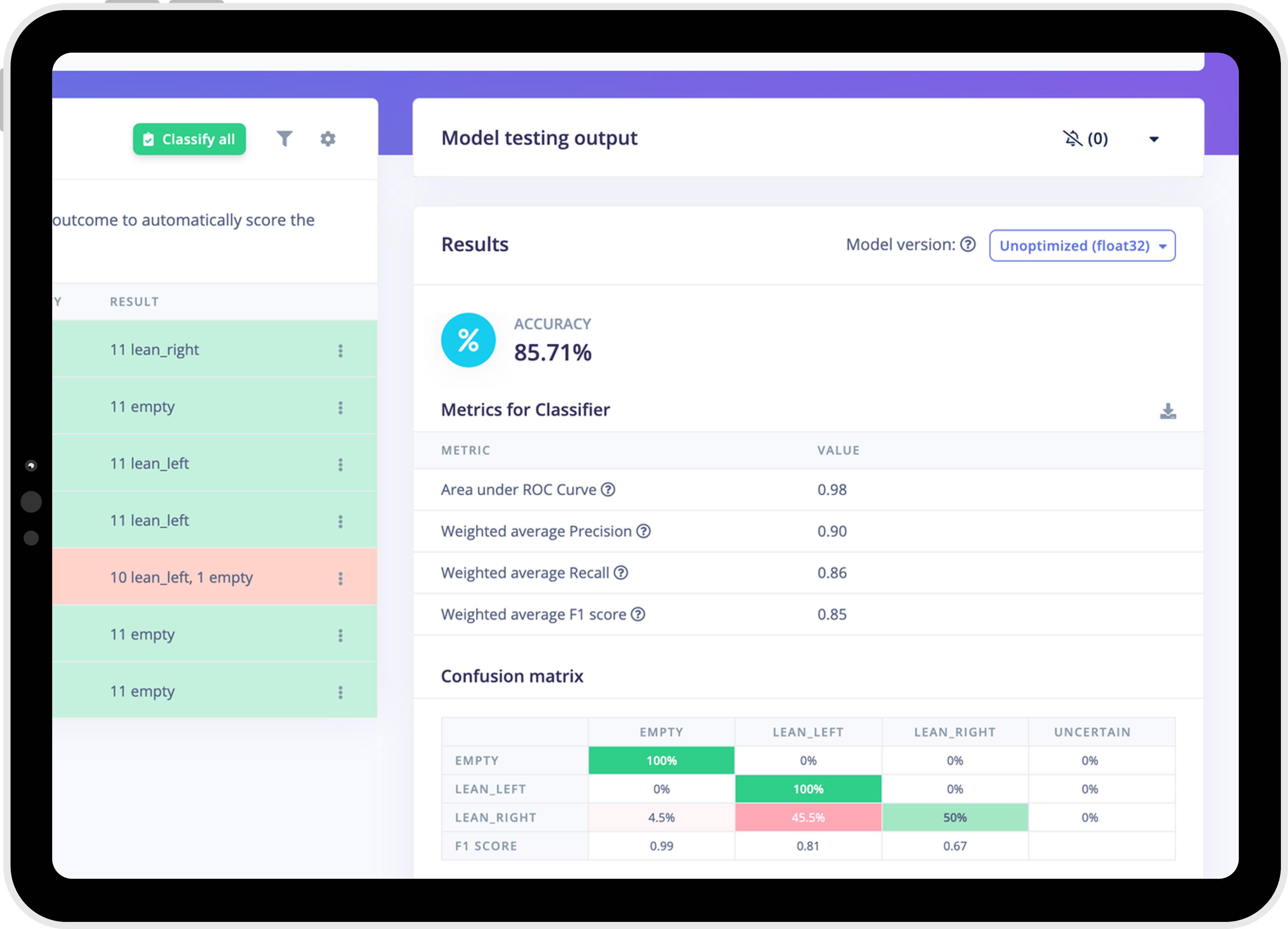
An ESP32 microcontroller handles data acquisition and runs a 4-class posture classification neural network trained in-house, achieving 85.7% real-time accuracy, a 0.85 weighted F1 score, and approximately 1 ms on-device inference latency, making true edge deployment viable in clinical settings without cloud dependency.
85.7%
Real-time Accuracy
0.85
Weighted F1 Score
~1ms
On-device Inference
Sensing Materials
Conductive ThreadsVelostatYarn
Hardware
ESP32Custom PCB
Software
4-class Neural NetworkEdge InferenceEasyEDA Circuit SchematicsAI Engineering
Fabrication
Machine Weaving KnittingBraidingSewing Digital Embroidery
Context
Posture MonitoringPressure MappingHealthcare and WellnessRobotics Sensing
Application - The Problem
2.5M
annual cases in the U.S. alone
$70k–$150k
per severe case — among the most costly hospital-acquired conditions
0
continuous monitoring once a patient leaves the clinic
$26.8B
annual U.S. healthcare burden from pressure injuries — a largely preventable cost
The existing systems are

Application - The Phygital Solutions
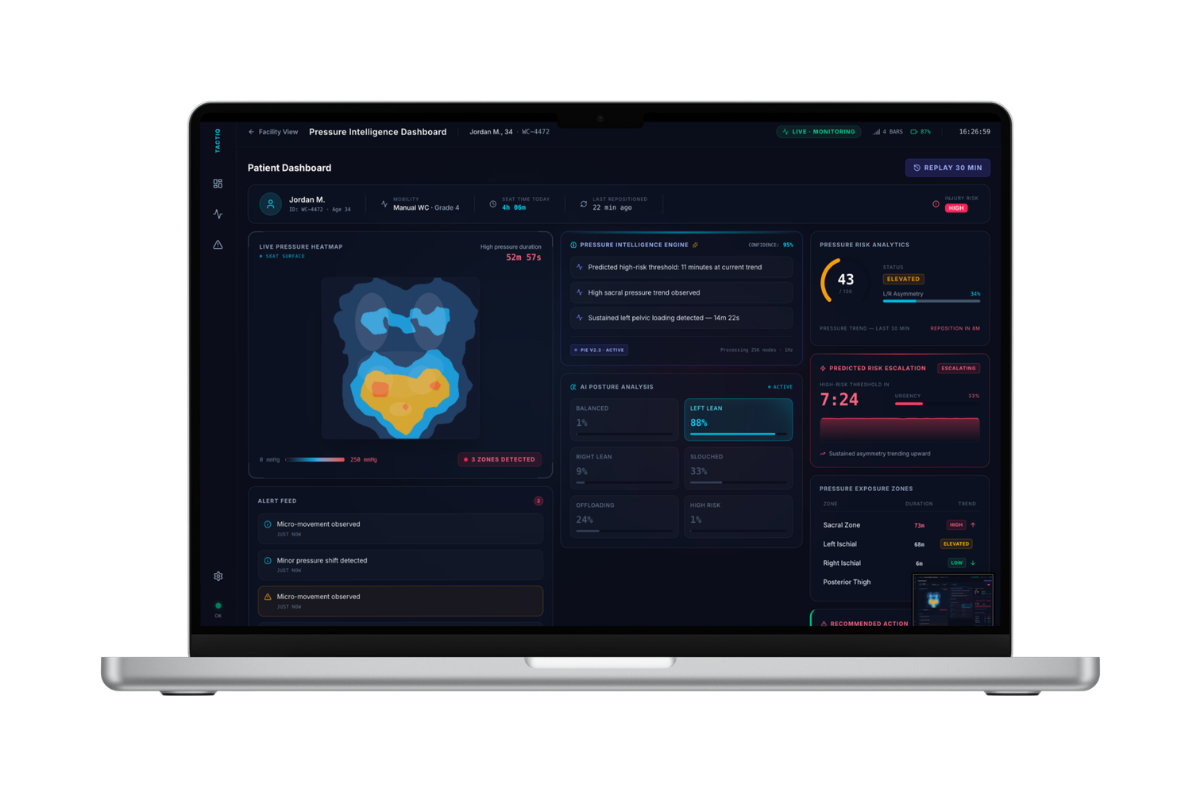
Tactiq brings pressure monitoring into everyday life, woven into the surface, invisible to the patient, always on.
Continuous Monitoring
Visibility beyond the clinic: pressure data captured throughout the day, not just during check-ups.
Real-Time Intelligence
Posture and pressure exposure analysis processed on-device at ~1 ms latency, and no cloud required.
Proactive Intervention
Risk alerts and reposition guidance delivered before injury develops, shifting care from reactive to preventive.
System Design
Flexible woven sensing architecture enabling real-time distributed pressure intelligence.
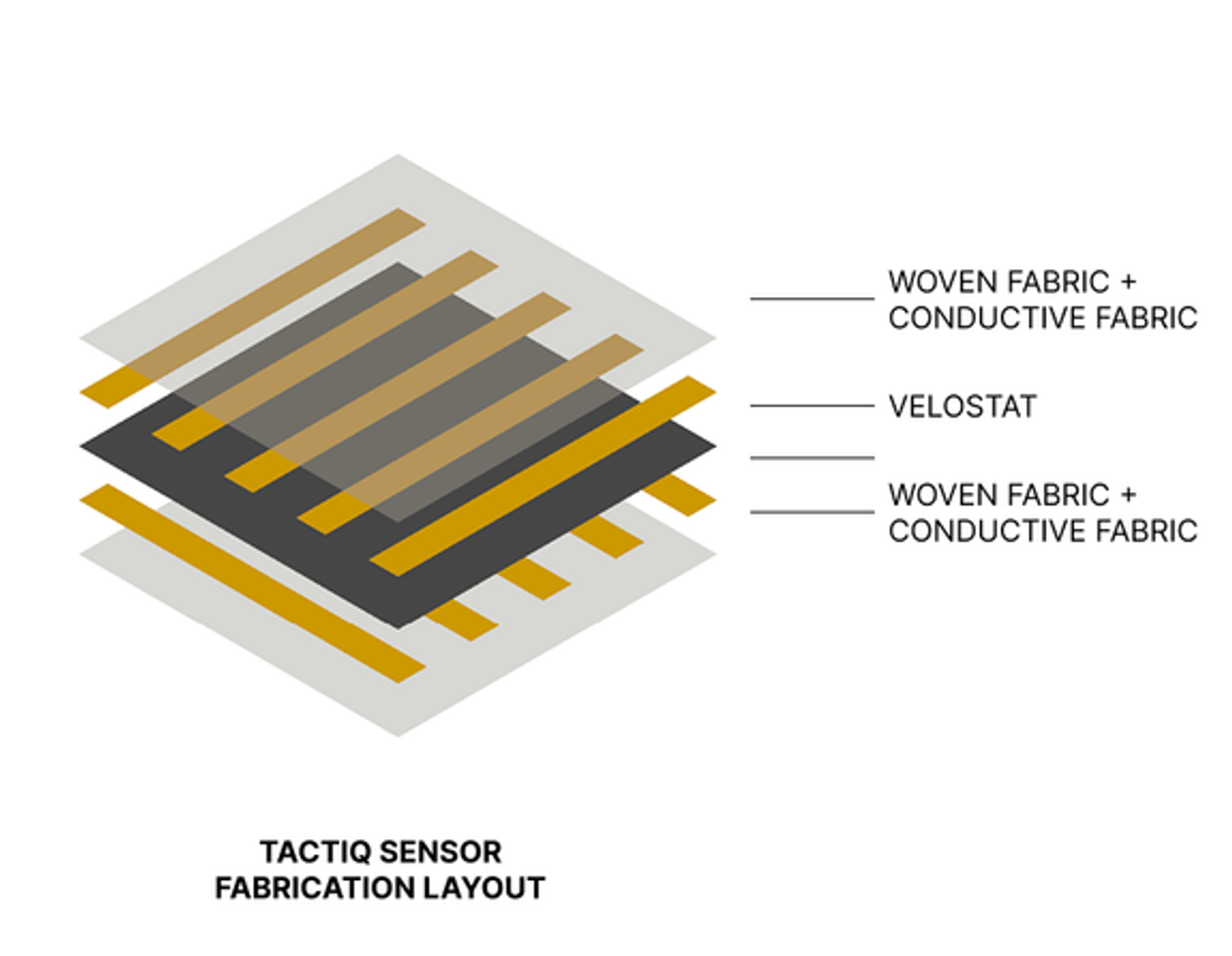
Sensing Layer
Data Acquisition
Edge AI Classification
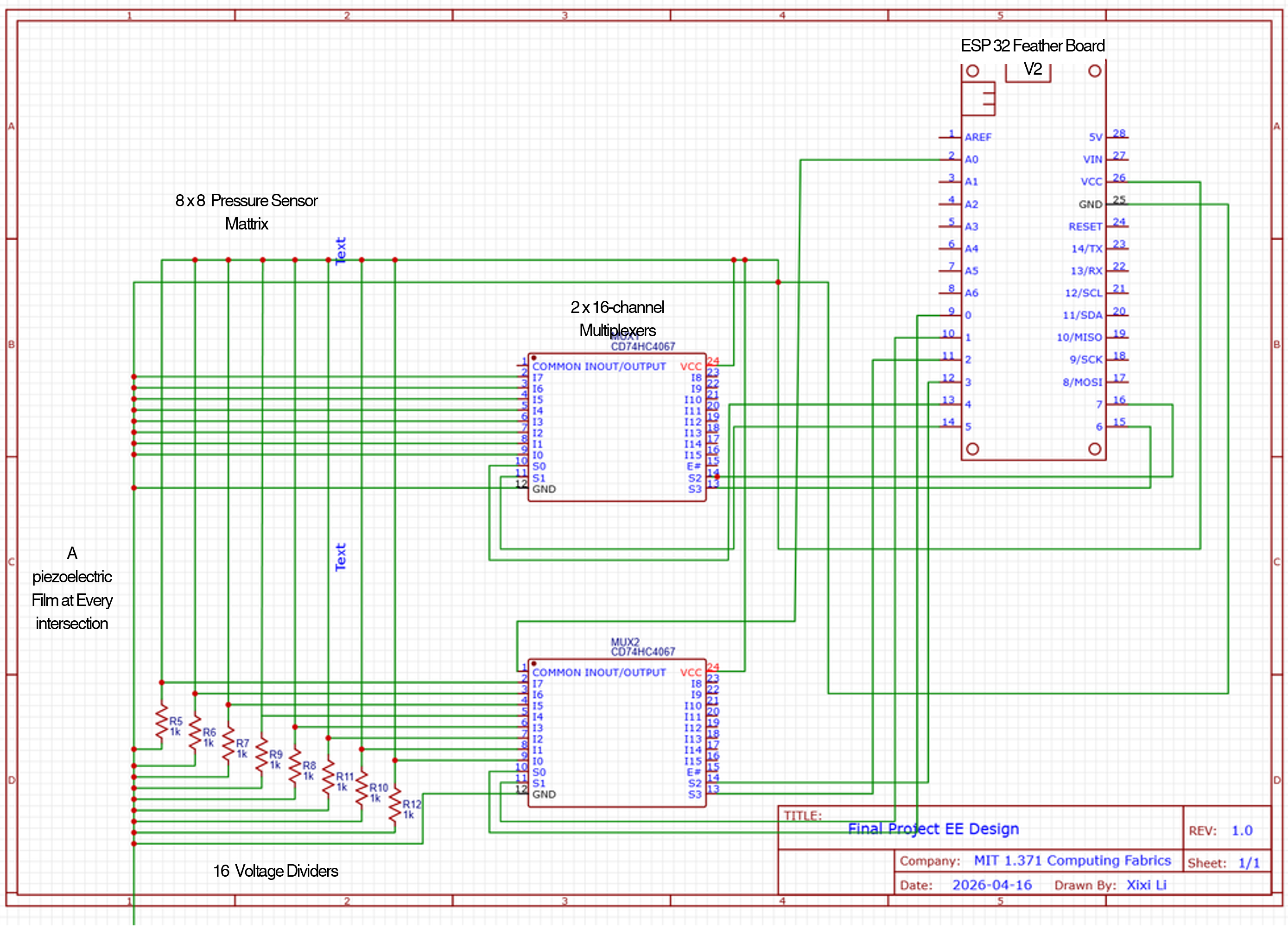
Circuit and Electrical Engineering
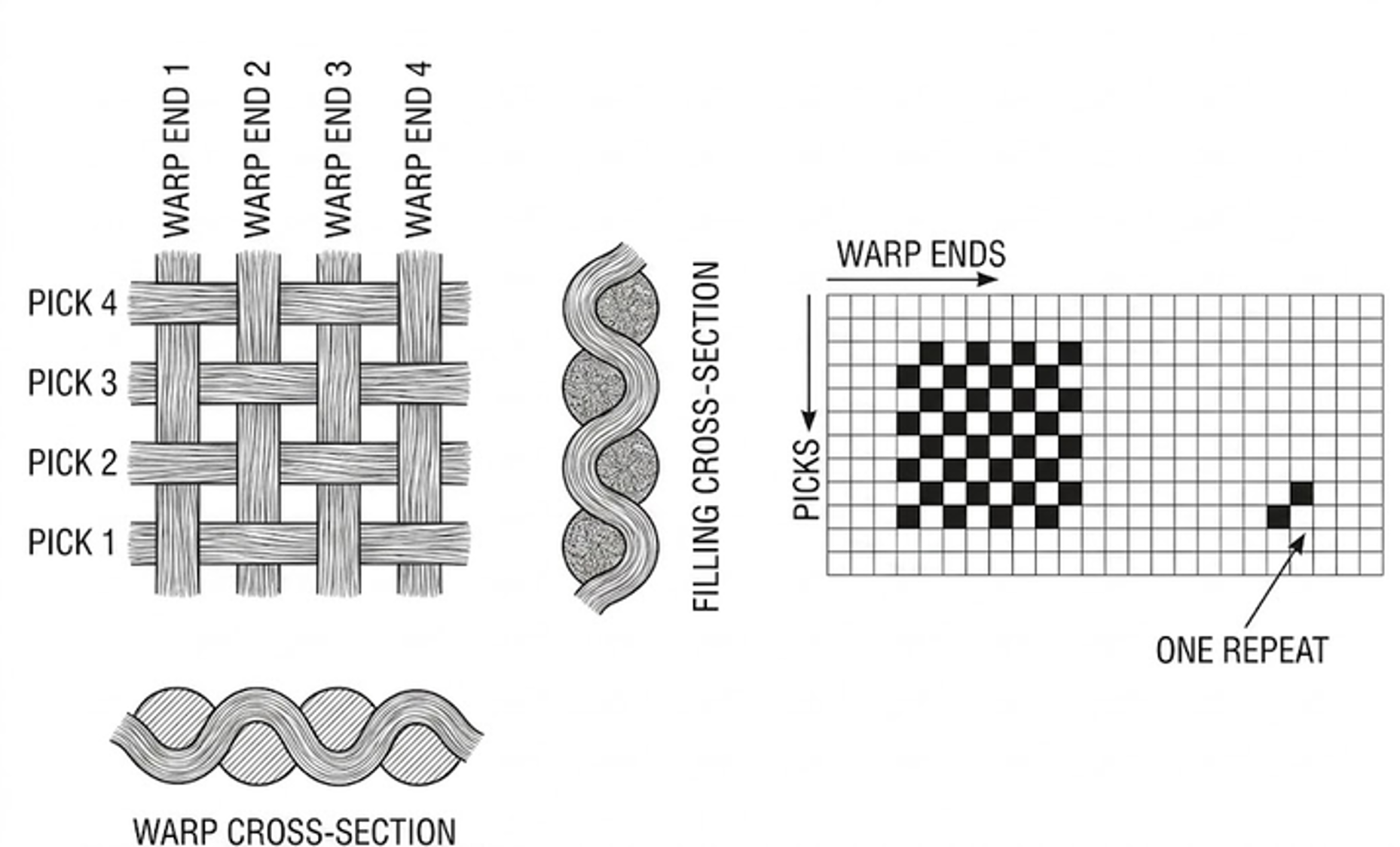
Woven Circuit Structure
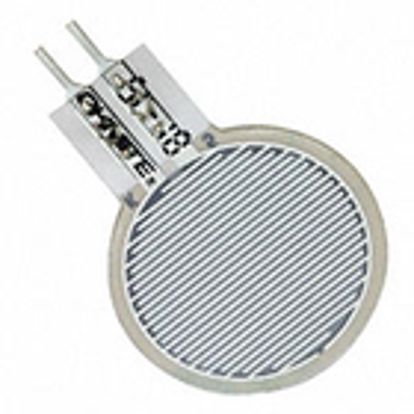
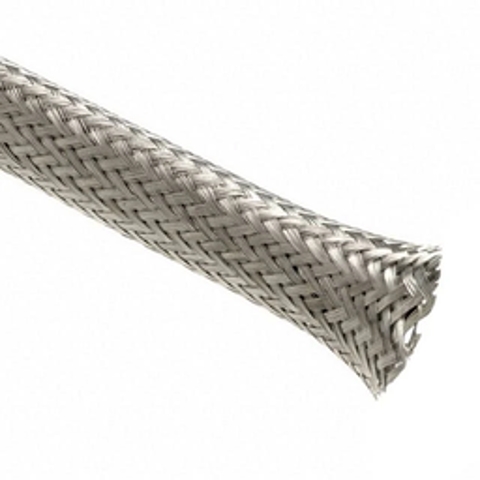
From a single sensor point to a thread of Fiber to Matrix
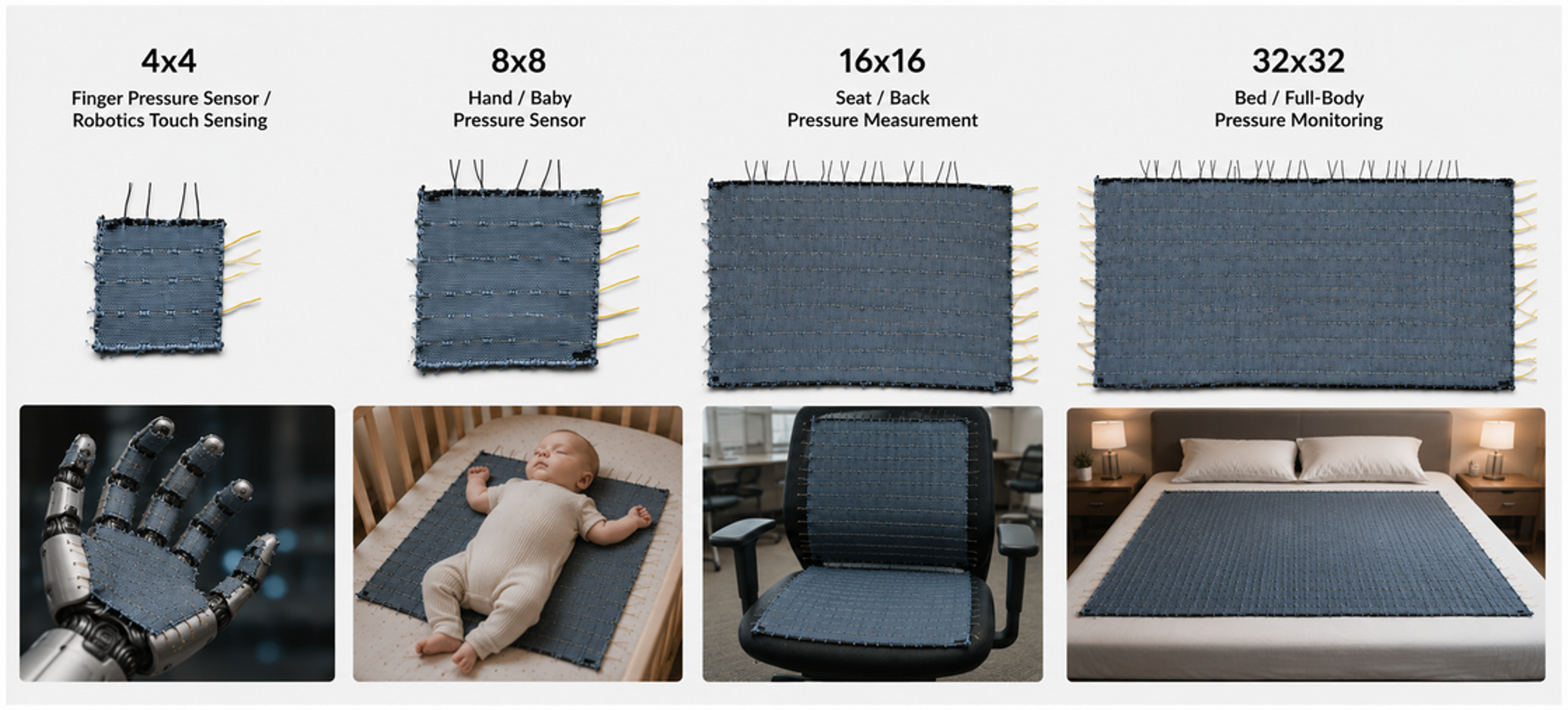
Embedded Edge AI for Real-Time Pressure Intelligence
Neural Network
Training
Performance
85.7%
Real-time classification accuracy
0.85
Weighted F1 score
~1ms
Edge inference latency
Making